


Modernization & Migration

#industry #finance #lifesciences #other

Software Modernization for Complex and Business-Critical Systems

HMS modernizes software that has evolved over time and legacy systems in a structured and phased manner. We analyze existing architectures, develop a viable target vision, and migrate applications, data, and platforms in a controlled way to maintainable and scalable structures.

Discuss modernization projects

Many Companies Run Business-Critical Applications on System Landscapes that Have Evolved over the Years. 

These systems support core business processes but often make changes, integration, and further development difficult.

When customizations become increasingly time-consuming, technical dependencies grow, or new business requirements can only be implemented with significant testing and development effort, software modernization becomes a strategic priority.

Do these situations sound familiar to you?

  • New requirements demand significant development and testing efforts.
  • The time to market for new features is getting longer.
  • Operating, maintenance, and licensing costs are rising.
  • Expertise in legacy technologies and legacy systems is becoming increasingly scarce.
  • It’s difficult to assess the impact of changes.
  • Existing architectures and data structures make it difficult to use modern data and AI applications.

What Structured Software Modernization Enables

Software modernization creates the conditions for the controlled further development of existing systems and the gradual reduction of technical dependencies. This does not necessarily involve a complete system replacement. The key is to identify the appropriate modernization path for the existing architecture and the business requirements.

Reliable Bases for Decision-Making

Dependencies, risks, and effort are systematically assessed. This results in clear priorities for the next steps in the modernization process.

Controlled Development

Existing applications are being modernized in stages. Productive processes and functionally proven features are retained in the process.

Technological Interoperability

Architectures, interfaces, and data structures are being further developed to enable the integration of new platforms, services, and data and AI applications.

Our Services

Software Modernization Tailored to Your Specific Situation

HMS supports companies with software modernization. Depending on the initial situation, this may involve targeted software remediation, the step-by-step modernization of individual components, or migration to new technologies and platforms.

Read more

Agent-Based Software Modernization

Analyze existing codebases in a structured manner and transform them in a controlled way.

  • Code analysis and structuring of existing applications
  • Defining architectural guidelines for the transformation
  • Orchestrating agent-based modernization workflows
  • Automatically test and validate results

Learn more

Opening Up Legacy Systems for Data and AI

Make existing applications accessible for new data-driven use cases.

  • Accessing data and business logic from legacy systems
  • Supplementing interfaces and APIs
  • Targeted decoupling and further development of existing components
  • Establish the prerequisites for analytics and AI applications
Read more

Analytics and Platform Modernization

Continue to develop existing analytics environments and platforms in a controlled manner.

  • Modernizing existing analytics stacks
  • Migrating SAS environments to R or Python
  • Further developing data and platform architectures
  • Take existing business logic and dependencies into account

Learn more

Software Refactoring, Modernization, or Migration

Not every system requires the same approach to modernization. The key factor is which components can continue to be used and where technical changes are necessary.

Software Refactoring

Existing software undergoes targeted technical revisions. The code base, dependencies, or individual components are improved, while the business functionality remains largely unchanged.

Gradual Modernization

Architecture and applications are further developed in line with a defined target vision. Individual components can be replaced, decoupled, or reintegrated as part of this process.

Migration

Technologies, platforms, or applications are migrated to a new technical foundation. This can be done gradually or as a complete migration.

The choice of the appropriate approach is based on a structured assessment of architecture, risks, dependencies, and business requirements.

Defining the right modernization path together

Our Approach

How We Implement Your Modernization

Complex systems are evolved step by step. It is crucial to view architecture, applications, platforms, and data in context and to prioritize changes strategically.

Architecture & Vision

We analyze existing dependencies, interfaces, and technical structures and use them to derive clear architectural guidelines for further development.

Benefit: A robust vision that serves as the foundation for technical decisions.

Modernize Applications

Depending on the initial situation and objectives, existing applications are modernized, refactored, decoupled, or migrated to new technologies and platforms.

Benefits: Targeted further development rather than isolated, one-off measures.

Integration & Platforms

New components, interfaces, and platforms are gradually integrated into the existing system landscape. In doing so, we take into account operational, security, and existing process requirements.

Benefit: Scalable system environments while ensuring uninterrupted operations.

Data & AI Enablement

We create the technical foundation needed to make data, interfaces, and business logic available for analytics and AI applications.

Benefits: New data-driven use cases based on existing systems.

Why HMS

Modernization with Software Engineering and Data Expertise

For many years, HMS has been supporting companies in the modernization of complex software and data landscapes. Our teams combine software engineering, data science, and architectural expertise and take responsibility for the entire process - from analysis to implementation.

Our work is characterized by the following features:

  • Experience from complex modernization and migration projects
  • Code2X for technical support in analysis and software transformation.
  • Architectural decisions based on transparent technical and business criteria.
  • Phased implementation with a focus on operations, integration, and further development.
  • Experience with data-intensive and regulated system environments.

Focus on structured and predictable modernization and migration

Feedback from our customers shows that our solutions deliver outstanding results in practice. This is confirmed by Europe's largest independent user survey in the field of data and analytics (BARC).

6,000+

person-days of experience in modernizing legacy systems

45+

Specialized Experts

100%

Focus on structured, predictable transformation

Experience with Complex Modernization Projects

The following projects demonstrate how HMS analyzes existing system landscapes, reduces technical dependencies, and gradually integrates new architectural and platform structures.

The focus is not on replacing existing systems, but rather on determining which modernization path is best suited to the respective starting point from a business, technical, and economic perspective.
Anwendungsmodernisierung mit GenAI: von SAS zu Python auf AWS
#finance

Anwendungsmodernisierung mit GenAI: von SAS zu Python auf AWS

Ein führender Versicherungskonzern modernisierte eine zentrale SAS-Anwendung auf AWS. HMS entwickelte Architektur und Migrationsvorgehen, setzte die Modernisierung um und prüfte GenAI für die SAS-zu-Python-Migration.
Read more
Generative AI Python SAS Angular AWS GPT Models Infrastructure as Code
SAS Viya auf Azure: Migration und langfristiger Plattformbetrieb
#industry

SAS Viya auf Azure: Migration und langfristiger Plattformbetrieb

HMS migrierte die SAS-9.4-Umgebung eines großen europäischen Energie- und Versorgungsunternehmens auf SAS Viya in Microsoft Azure. Seit der Migration übernimmt HMS Betrieb, Wartung und Weiterentwicklung der Plattform.
Read more
Microsoft Azure SAS Base SAS Viya Argo Azure DevOps CI/CD Pipelines Databricks Grafana Prometheus Python
SAS Viya Migration bei einer Automobilbank
#finance

SAS Viya Migration bei einer Automobilbank

HMS migrierte die bestehende SAS-Plattform von On-Premises zu SAS Viya auf Azure und implementierte eine skalierbare Cloud-Infrastruktur mit Kubernetes.

Read more
Microsoft Azure SAS SAS Viya Argo Confluence GitHub Grafana Jira Kubernetes Prometheus

FAQ

Frequently Asked Questions About Modernization and Migration

If your question isn’t listed here, we’d be happy to advise you personally.

Traditional migration projects rely on manual analysis, rigid rules, and a significant investment of expert time. Agent-based migration uses AI agents that independently analyze code, understand dependencies, make migration decisions, and iteratively validate results.

This makes migrations significantly faster, more scalable, and more consistent - while experts can focus on architecture, business logic, and quality assurance instead of manual code conversion.

No. Successful modernization often takes place in stages rather than as a “big bang.”

Functions, applications, or sections of code can be prioritized and modernized over multiple iterations. This reduces risks, involves business units early on, and delivers initial value more quickly. At the same time, the existing system remains operational throughout the transformation.

Migration makes sense when the existing technology incurs high costs, hinders innovation, skilled workers are in short supply, or strategic goals can no longer be achieved with the current platform.

A migration is not advisable if there is no clear business benefit, the system is running stably, and the costs and risks of the transition exceed the expected added value. In such cases, a targeted modernization of individual components may be the better alternative.

At HMS, the process typically begins with a structured analysis of existing applications and source code. This involves assessing complexity, dependencies, risks, and opportunities for modernization.

Based on this, we work together to develop a robust migration and modernization strategy, prioritize areas for action, and provide transparency regarding effort, costs, and the target architecture before the actual implementation begins.

Software refactoring makes sense when an existing application is still needed for business purposes, but its technical foundation makes changes, maintenance, or integration difficult. Instead of completely replacing the system, the codebase, dependencies, interfaces, or individual components are selectively revised. This allows technical vulnerabilities to be addressed and the application to be further developed in stages.
Contact Us Now

Define the right modernization path


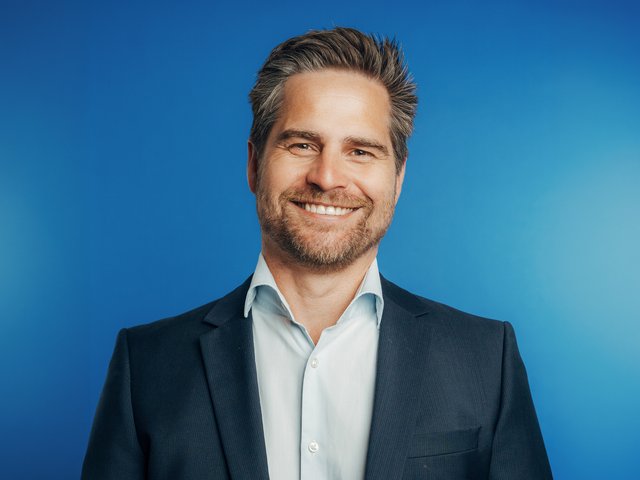
Karsten Wohlgefahrt
Karsten Wohlgefahrt
Principal Sales Manager

During an initial meeting, we’ll work together to clarify the general parameters of your project and identify suitable starting points for further planning and implementation.

Durch das Absenden akzeptiere ich die Datenschutzerklärung.

Additional Services and Project Experience

Read more

Code Transformation with Code2X

Code2X analyzes legacy codebases, takes architectural requirements into account, and supports the automated migration to defined target structures.

Learn more about Code2X

Read more

Our Projects

Learn how HMS has implemented data, analytics, and AI solutions in specific business and system environments.

View Projects